Entry · Ref 473IAY98
How to Discover Rare Bottles at a Gin Bar
- Posted
- 2026-11-06
- Last amended
- 2026-11-06
- Account
- @raymondmxfx125
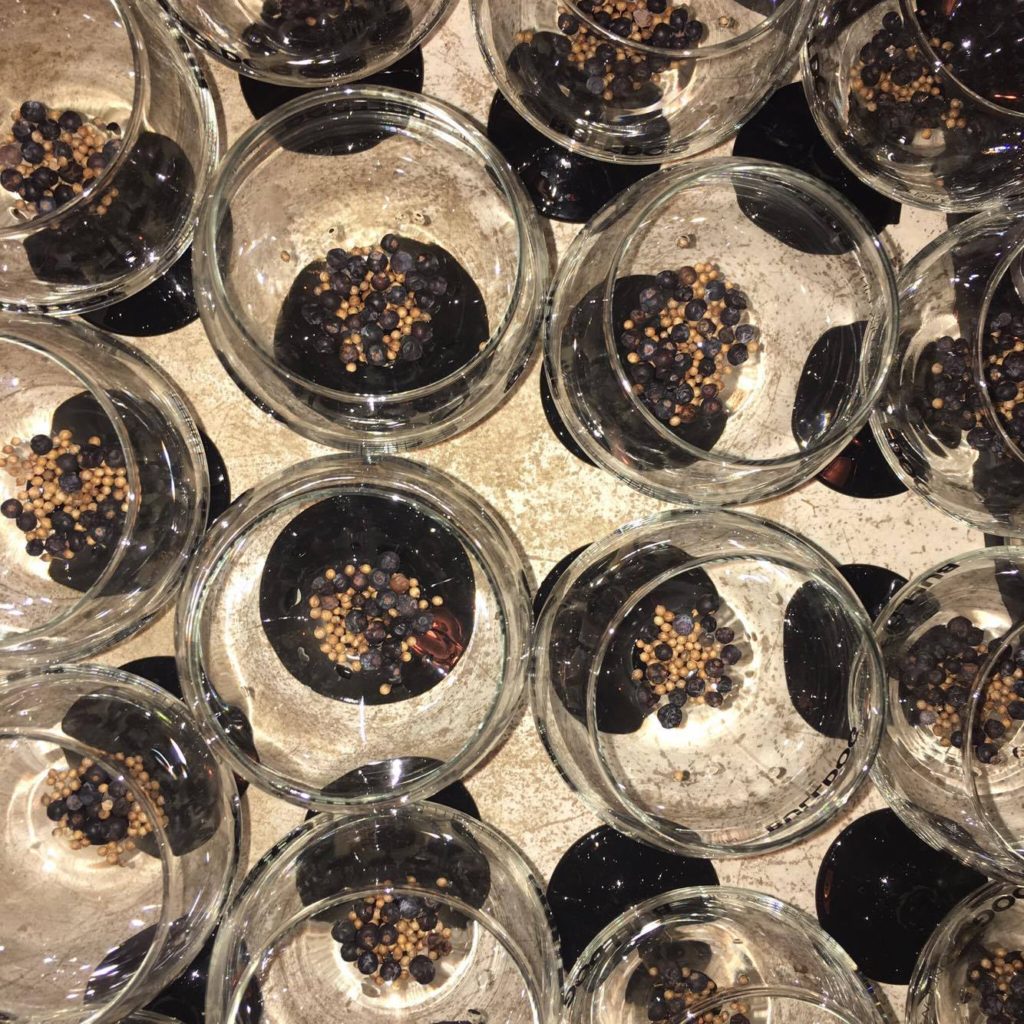
A good gin bar can look deceptively straightforward. Backlit shelves, polished stems, a few familiar labels, maybe a menu with a page devoted to martinis and tonic pairings. From the guest side of the counter, it is easy to assume the rare bottles announce themselves. Usually they do not. The best finds are often tucked behind speed rails, placed on the highest shelf, or held back entirely until a bartender knows a guest is paying attention.
That is part of the appeal. Rare gin is not only about scarcity. It is about context, condition, and whether the person serving it understands why it matters. A limited release from a revered distillery can be disappointing if the bottle has been open too long or handled carelessly. Meanwhile, an obscure export bottling from a small producer can become the highlight of your year if it is poured by someone who knows its story and serves it in the right format.
If you want to discover rare bottles at a gin bar, curiosity matters more than bravado. Knowledge helps, but the most successful approach is usually a mix of preparation, observation, and timing. The people who consistently find the special pours are rarely the loudest. They tend to be the ones who notice what Gin Bar thewinslownyc.com is not on the menu, ask precise questions, and show enough respect for the bar’s program that staff want to keep the conversation going.
Understand what “rare” actually means
At a gin bar, rarity takes several forms, and not all of them carry the same value. Some bottles are rare because very little was produced. Others are rare because distribution is narrow, perhaps limited to one country, one importer, or one season. Some are not rare in a global sense at all, but they are difficult to find where you live. That distinction matters.
A Japanese craft gin that appears routinely in Tokyo may feel uncommon in Chicago. A discontinued London dry that once sat in every decent back bar may now be a minor treasure simply because untouched stock has dried up. Then there are vintage bottles, which belong in a category of their own. Older bottlings can show measurable differences in recipe, proof, or botanical balance, especially if ownership changed hands or regulations shifted.
The bar world also uses “rare” loosely. Sometimes it means genuinely hard to replace. Sometimes it means expensive. Sometimes it means staff do not like opening it for casual tonic orders. When you hear the term, take it as the beginning of a conversation rather than the final word.
The most rewarding rare bottles usually offer at least one of three things: a distinct production method, a place in gin history, or a flavor profile that modern shelves no longer represent. If a bottle gives you two of those, it is worth your attention. If it offers all three, order a measured pour and stay focused.
Pick the right kind of gin bar
Not every venue with a long gin list is equipped for serious discovery. Some bars are built around volume, which can still be fun, but volume and curation are different skills. A true gin bar, the kind that rewards close attention, tends to reveal itself in small operational details.
Look at how the menu is written. If the descriptions mention distillation style, base spirit, origin of juniper, proof, or recommended serves, someone on the team probably cares. If every gin is flattened into slogans about “smoothness” and “botanical complexity,” the collection may be broad but not especially deep.
Pay attention to glassware and temperature. Bars that care about premium gin usually care about dilution as well. They may store certain bottles away from direct heat, pour from measured jiggers even for expensive drams, and offer tasting pours in modest sizes rather than pushing every guest toward a full cocktail. These are good signs. They suggest the staff see the spirit as something to be explored, not just mixed.
The back bar itself can tell you a lot. Multiple bottle shapes from the same producer often indicate vertical collecting, which is more interesting than one famous label from each country. Dust is not always a bad sign on a top shelf, but sticky necks and sun-faded labels are. Rare spirits deserve careful storage. If you notice oxidation in half-empty bottles that likely linger for months, be selective about what you order.
Neighborhood matters too. Hotel bars sometimes have access to collector stock and private relationships with distributors, especially in cities with strong luxury dining scenes. Small specialist bars, on the other hand, may have less capital but more obsession. Some of the best rare gin encounters happen in narrow rooms with twelve seats, one cold freezer, and a bartender who can tell you exactly why a 57 percent bottling behaves differently in a martini than its standard sibling.
Do your homework before you go
A little preparation changes the whole evening. You do not need to memorize production data, but you should know enough to ask intelligent questions. Spend twenty minutes looking at the bar’s social media, website, or tagged photos. Bars often post new arrivals, guest shifts, tasting flights, and one-off menu features. You can sometimes spot a bottle in the background that never appears on the printed list.
Check whether the bar publishes a full spirits inventory online. Some do, and if the list is old, that can work in your favor. A forgotten page may show bottles that remain in stock even though they are no longer highlighted. If you see names that interest you, write down three or four and build your visit around them.
It also helps to understand broad stylistic families of gin before you arrive. London dry is only the start. Contemporary styles that dial back juniper, navy strength bottlings, barrel-rested expressions, old tom, genever-influenced distillates, and regional herb-forward gins all create different paths toward rarity. The point is not to sound scholarly. The point is to give the bartender something useful to work with when they begin steering you.
If you already know you love piney, dry, classic profiles, say that. If you are curious about waxy citrus, earthy root botanicals, or high-proof texture, say that too. Rare bottles are easier to reveal when the staff do not have to guess what you value.
Learn to read the shelf like a buyer
Bartenders and buyers build back bars with intent, even when space is tight. Once you know what to scan for, the shelf starts speaking more clearly.
Start with duplicates and near-duplicates. Gin Bar Two labels from the same house, especially if one looks older, can suggest a recipe revision or discontinued export release. Then look for bottle formats. A 375 ml bottle, a magnum, or a squat old-style bottle often signals limited availability or legacy stock. Tax strips, import stickers, and old label design are also clues. You do not need to turn into a detective. Just notice what looks out of step with the rest of the lineup.
Placement matters. The most expensive bottles are not always center stage. In many bars, the real curiosities get parked where only staff can comfortably reach them. That might be because the bottle is awkwardly tall, because they want to limit UV exposure, or because it is reserved for guests who ask. If you see a bartender glance upward before answering a gin question, pay attention.
Menu omissions matter even more. If a bar advertises fifty gins but you can count closer to eighty on the shelf, the missing thirty are where the story starts. Some are omitted because stock is low. Some because the team is unsure how to price them. Some because they want flexibility to pour them as sidecars, staff recommendations, or mini flights. That shadow inventory is where many memorable discoveries live.
Ask better questions, and ask them at the right moment
There is a major difference between asking, “What’s your rarest gin?” and asking, “Do you have anything off-menu with an older-school juniper profile, maybe something discontinued or difficult to replace?” The first question invites a sales pitch or a vague answer. The second shows direction, which makes it much easier for staff to help.
Timing counts. If the bar is three deep and tickets are piling up, you are unlikely to get a thoughtful tour of collector stock. Early evening, late weeknights, and the first quiet half hour after a rush often produce the best conversations. Serious drinkers sometimes make the mistake of arriving at peak energy because they assume that is when the action is. For rare spirit hunting, calmer windows are better.
When you do ask, keep your questions concrete. This is where short, specific prompts work best:
- Do you have any bottles that are no longer imported?
- Has your gin buyer brought in any distillery-only releases?
- Are there older bottlings here that taste noticeably different from the current version?
- Is there something you only pour neat or in a half measure?
- Which bottle do gin nerds ask for that most guests miss?
Each of those questions gives the bartender a useful lane. They can answer with a bottle, a story, or a caution. All three are valuable.
Just as important, listen to the answer. If the bartender says a bottle is rare but not especially interesting, believe them. The people who manage strong gin programs usually have little incentive to oversell a mediocre trophy. If they become animated describing a little-known bottle from Spain, Australia, or the Netherlands, follow that energy. Enthusiasm is often the best map.
Build trust without performing expertise
One of the least discussed parts of finding rare bottles is social. Staff are more willing to open side conversations, suggest private pours, or check reserve stock when they feel a guest is genuinely interested rather than trying to impress the room.
You do not build that trust by reciting tasting notes from memory. You build it by being easy to serve, paying attention, and ordering in a way that respects the bar’s flow. If you begin with a classic gin and tonic or a straightforward martini, you give the bartender a reference point. They learn how you react to dilution, garnish, texture, and proof. That first drink is not a wasted round. It is calibration.
I have seen guests talk themselves out of great pours by demanding “the most expensive thing you’ve got” before they had even tasted the house style. I have also seen bartenders quietly pull down remarkable bottles for guests who simply said, “I like assertive juniper and I’m happy to try a half pour if you think there’s something special.” One approach creates distance. The other creates collaboration.
If the bartender offers a tiny taste before you commit, treat that gesture seriously. Rare bottles vanish faster when people chase novelty without focus. A thoughtful guest who wants to understand the spirit is more likely to hear, “There’s one more you should try.”
Rare does not always mean neat
Many drinkers assume the proper way to taste a special gin is neat, room temperature, in a stemmed glass. Sometimes that is exactly right. Sometimes it hides what makes the bottle sing.
A high-proof, old-school London dry may show beautiful structure in a tiny chilled martini, with barely a whisper of vermouth. A softer, citrus-led contemporary gin might open best with a single cube or a measured splash of cold water. Some vintage bottlings, especially if their aromatics have softened over time, present more clearly in a restrained gin and tonic built with neutral tonic and minimal garnish.
This is where a skilled gin bar proves its worth. The best bartenders are not doctrinaire. They adapt the serve to the bottle. If you discover a rare gin and automatically request your usual tonic loaded with lime, you may flatten the differences you came to find. Better to ask how the bar prefers to show it. They may suggest a half pour neat plus a small sidecar of chilled water, or a split serve where you taste it first and then revisit it in a minimalist cocktail.
That approach also helps your budget. Rare bottles often carry steep by-the-ounce pricing, especially when replacement stock is unlikely. A smart bar can turn a 20 to 30 ml pour into a more informative experience than a full cocktail built on autopilot.
Learn the categories that hide in plain sight
Some of the most interesting discoveries at a gin bar do not arrive under the obvious banner of “rare gin.” They are hidden inside adjacent categories, older styles, and producer experiments that many guests skip.
Old Tom is a good example. It sits between historical curiosity and cocktail workhorse, and when you find a producer making it with conviction, the results can be exceptional. Because demand is lower than for standard London dry, bars sometimes sit on brilliant bottles that serious drinkers overlook. The same goes for genever-led expressions, navy strengths from smaller houses, and region-specific gins built around local herbs rather than crowd-pleasing citrus.
Vintage sealed bottles are another category that requires judgment. Age alone is not a guarantee of quality. Storage conditions matter enormously. A bottle that spent years in a hot storeroom can be less expressive than a current release. But when old stock has been well cared for, you can taste history in a concrete way. Juniper can seem more resinous, citrus more subdued, texture more oily or more austere depending on the era. These are not always dramatic shifts, but for attentive drinkers they are fascinating.
Then there are one-off collaborations, distillery exclusives, and staff-selected single casks or botanical variants. Strictly speaking, gin does not mirror whisky culture one for one, yet private and limited bottlings have become more common in serious programs. They may never make the main menu because the yield is too small. Asking whether the bar has anything they “can’t really replace” often surfaces these.
Pay attention to bottle condition and turnover
Rarity can work against freshness. Gin is more stable than many wines, but once opened, it is not immune to change. Oxygen, light, and heat can dull aromatic top notes over time. Citrus peel notes may soften first, followed by more delicate floral and green herb components. Juniper tends to hold longer, but the overall shape can flatten.
This does not mean you should avoid every low-level bottle on a shelf. Some gins remain very enjoyable after long service, especially robust styles at higher proof. It does mean you should look closely. If a bottle is nearly empty and appears to be in active rotation, that can be promising. If it is half full, dusty, and perched under warm lighting, ask when it was opened. A good gin bar will answer honestly.
Staff behavior offers clues too. Bartenders who take rare spirits seriously tend to handle them differently. They pour with intention, wipe the neck, return the bottle promptly, and often discuss how long it has been open. That care is reassuring. Rare bottles deserve more than ceremonial language. They deserve operational discipline.
Use tasting strategy, not brute force
After the second or third gin, your palate can blur if you are careless. Juniper, coriander, angelica, citrus, spice, floral notes, alcohol texture, tonic bitterness, cold temperature, all of it starts to pile up. If the goal is discovery rather than mere consumption, pacing is part of the craft.
There is one sequence that works well in most gin bars:
- Start with a classic style you understand well
- Move to one rarer bottle that stays close to your preferred profile
- Shift only then to a stranger or older bottling
- Finish with the highest proof or most assertive expression
That order preserves contrast. It also gives you a control point. If you begin with something wildly unusual, everything afterward can feel muted or confusing.
Water matters, and so does food. Neutral snacks are your friend. Salted almonds are better than truffle fries if you are trying to compare delicate botanical structures. A simple bite between pours can reset your mouth without hijacking it. This sounds minor until you spend real money on a special pour and realize your palate is still full of anchovy, char, or citrus oil from the previous round.
If a friend is with you, split pours whenever the bar allows it. Two half measures tell you more than one full measure, especially if the bartender can frame the contrast. One of the best ways to understand a rare bottle is to taste it beside a current mainstream benchmark from the same style family. Suddenly the differences stop being abstract.
Price, scarcity, and when to say no
Rare bottles can trigger bad decisions. The logic usually goes like this: I may never see this again, so I should buy it now. Sometimes that instinct is right. Sometimes it is exactly what bars count on.
The better approach is to weigh three things at once: how unique the bottle is, how well it matches your taste, and whether the serve will actually teach you something. If the answer is yes on all three, the splurge can be worth it. If the bottle is famous but stylistically distant from what you enjoy, you may be paying for bragging rights rather than pleasure.
A very high price is not inherently a warning sign. If a bar has replacement costs, low inventory, and offers proper glassware, careful storage, and knowledgeable service, premium pricing can be fair. The red flag is vagueness. If nobody can explain why the bottle is special, how it differs from current releases, or why it is served the way it is, the rarity may be doing all the work.
Saying no gracefully is part of being a smart guest. If a suggestion feels more collectible than delicious, pivot. Ask for a bottle that overdelivers rather than one that merely photographs well.
The best discoveries often come from conversation, not from the list
A printed menu is useful, but the most memorable rare bottle experiences at a gin bar often happen one step beyond it. A bartender remembers that a regular liked waxy, savory styles and opens a nearly forgotten bottle from a closed distillery. A manager notices your interest in older labels and brings over two tiny pours to compare label eras. A quiet question about import history leads to a ten-minute conversation about why one Spanish bottle vanished from the market after a distributor change.
That human layer is the whole point. Rare spirits are interesting because they carry decisions inside them, decisions made by distillers, importers, buyers, and bartenders. A good gin bar acts as the meeting place for all of that accumulated judgment.
If you approach the bar with patience, ask specific questions, and let the staff guide the edges of your curiosity, you will usually find more than a hard-to-source bottle. You will find the right bottle for that moment, poured by someone who knows why it matters. For anyone who loves gin, that is the real prize.
The Winslow
243 E 14th St
New York, NY 10003, United States
Phone: +1 212-777-7717
FAQ About Gin Bar
How to do a gin tasting?
Start with a small pour and gently smell the gin before taking a small sip. Notice its juniper, citrus, floral or spice notes, then compare how the flavor changes with a little water or tonic. At a gin bar, ask the bartender to explain the selection and botanical pairings.
How to make the best tasting gin and tonic?
Use chilled gin, fresh tonic and plenty of ice. A common starting ratio is one part gin to two parts tonic, adjusted to taste. Choose a garnish that complements the gin's botanicals and stir gently to preserve the bubbles.
What is the smoothest tasting gin?
There is no single smoothest gin for everyone. Perceived smoothness depends on the botanical recipe, alcohol strength, serving temperature and mixer. Describe whether you prefer citrus, floral, herbal or juniper-forward flavors so a bartender can suggest a suitable style.