Entry · Ref DZUYIMOF
The Best Signature Serves to Order at a Gin Bar NYC
- Posted
- 2026-10-09
- Last amended
- 2026-10-09
- Account
- @raymondmxfx125
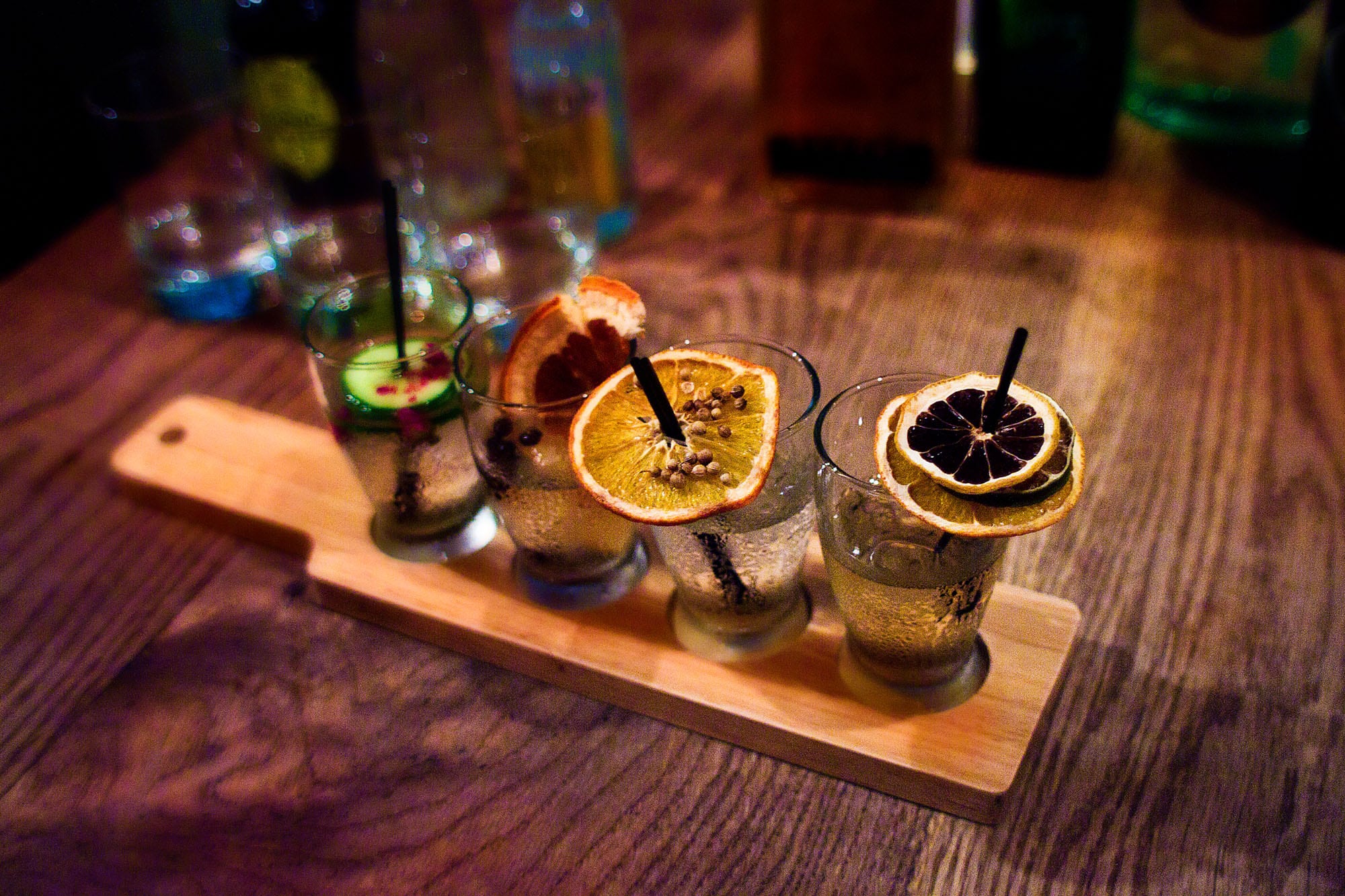
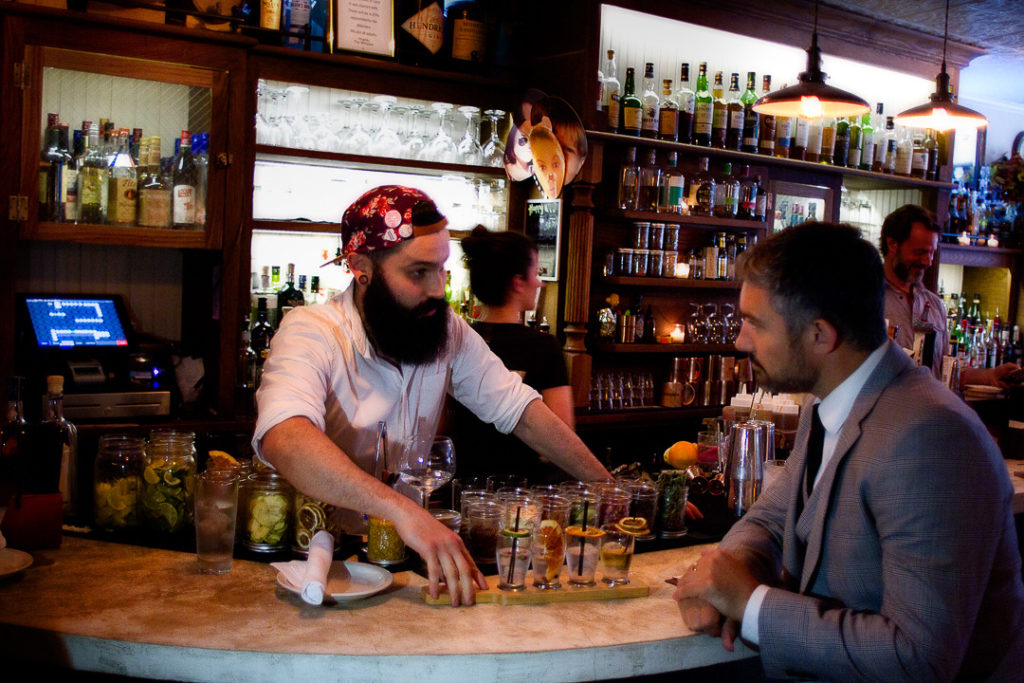
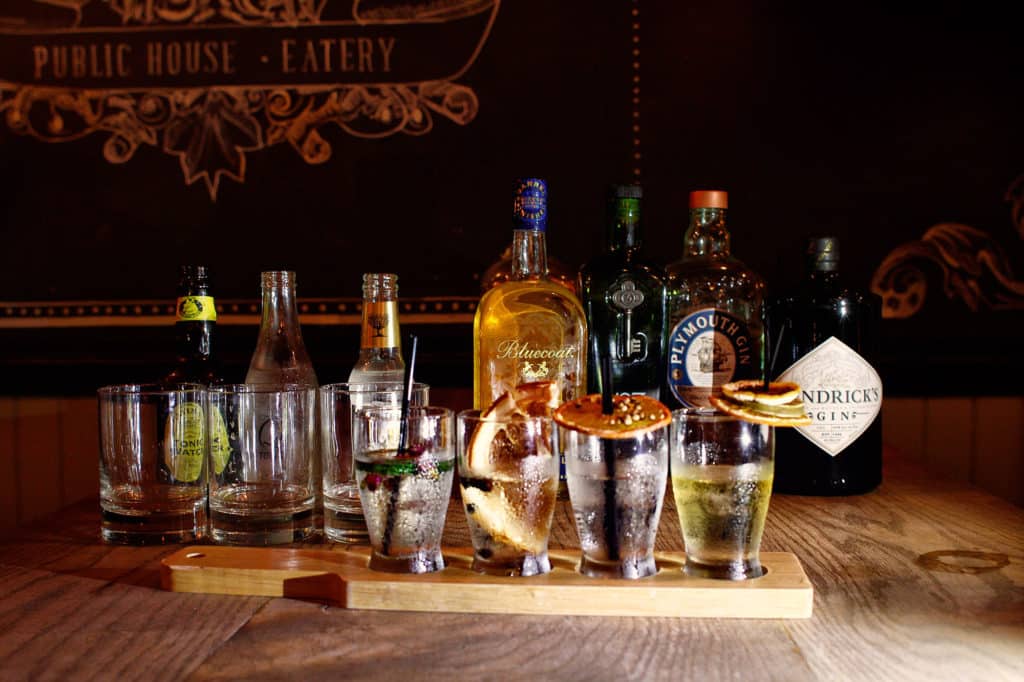
A serious gin bar in New York City is not just a place with a long backbar and a few imported tonic waters. The best rooms treat gin the way a top steakhouse treats beef cuts or a sharp oyster bar treats shellfish. They understand style, origin, proof, texture, garnish, temperature, dilution, and the small choices that turn a familiar order into a drink worth remembering.
That matters because gin is unusually sensitive to context. The same London dry that feels crisp and exacting in a bone cold Martini can come across as almost stern in a Gimlet. A floral contemporary gin can bloom in a highball and disappear under Campari in a Negroni. At a well run Gin Bar NYC regulars trust, the menu may list house signatures, but the smartest move is often to order a classic serve tailored to your taste and let the bar show its hand.
The phrase “signature serve” gets used loosely, especially in city bars where menus change often and every spot wants one blue drink, one smoky drink, and one seasonal spritz for the dining room cameras. But in gin culture, a signature serve has a more precise meaning. It can refer to the ideal way a certain gin is presented, often with a particular tonic, citrus, herb, or glass. More broadly, it can mean the style of drink a bar executes better than average, the thing the bartenders pour with confidence and the guests reorder without hesitation.
If you want the short answer, order the drinks that expose the bar’s discipline. Gin rewards precision. The serves below do exactly that.
Start with the Martini if the room looks serious
Nothing reveals a gin bar faster than its Martini program. You can read a lot before you even taste it. Are the bottles frozen or at least deeply chilled? Does the bartender ask which gin you Gin Bar NYC prefer, or at minimum whether you want London dry or something softer and more aromatic? Do they ask about vermouth ratio, garnish, or texture? A bar that cares about gin will not treat the Martini as a default up drink.
At a high level, there are two Martini experiences worth ordering. The first is the austere, classic build, gin led, bracing, and dry enough that the botanicals carry the finish. The second is a more aromatic Martini with a higher vermouth ratio, often around 3:1 or 4:1, where the wine component contributes lift and spice instead of just a whisper. In New York, both styles can be excellent, but they appeal to different moods.
If you are at a dedicated Gin Bar NYC cocktail crowd respects, ask for a Martini with a London dry gin and a measured amount of good dry vermouth, not a vague rinse. You want enough vermouth to soften the edges and widen the palate, especially if the gin leans juniper heavy. A lemon twist is the safest order if you care about the gin itself. Olives can be wonderful, but their salinity and fat shift the drink’s center of gravity.
There is also a practical city reason to begin here. New York bars tend to move fast, and not every bartender has time for a long diagnostic conversation during peak service. The Martini lets you communicate preferences cleanly. “Gin Martini, stirred, 4:1, twist” tells the bar you know what you want and leaves enough room for them to execute. If the drink lands balanced, cold, and polished, you can trust the next round.
A proper Martini should smell vivid before it tastes cold. That is the little test. If your first impression is only temperature, something got muted on the way.
The gin and tonic, done properly, is still the smartest order in the room
Many guests underrate the gin and tonic because they associate it with speed rails, giant goblets, or lazy lime wedges. At a good gin bar, it is one of the most revealing and satisfying serves available. It looks simple, but simple drinks punish carelessness.
A strong version begins with ratio. Too much tonic and even a beautiful gin gets buried under quinine and sugar. Too little tonic and the drink reads hot and angular. Somewhere around a 1:2 to 1:3 spirit to tonic range is often the sweet spot, though proof and glass size matter. Ice matters just as much. Large, solid cubes preserve carbonation better and slow dilution. Cracked ice chills fast but collapses structure.
Garnish is where many bars either show intelligence or start showing off. There is a difference. A grapefruit peel with a citrus forward gin can sharpen what is already there. Rosemary can work, but it can also dominate if bruised too aggressively. Cucumber with a softer, more botanical gin is classic for a reason, though too much turns the drink spa like. Good bars garnish with intention, not abundance.
If you are unsure what to order, ask for the bar’s preferred gin and tonic pairing rather than naming a brand first. That question often produces the best result. Bartenders who know their inventory usually have one or two combinations they believe in because the tonic’s sweetness, bitterness, and carbonation line up with the gin’s botanical profile. In practice, the house recommendation often beats a random premium call.
In New York, where the room can be loud and your table may be deep in conversation, the gin and tonic is also underrated as a dinner companion. It cuts through fried snacks, shellfish, salty charcuterie, and even richer small plates without getting sticky or exhausting. That versatility is one reason it remains one of the best signature serves to order at a Gin Bar NYC diners actually visit more than once.
A Negroni tells you whether the bar understands tension
The Negroni is not a beginner’s gin drink, but it is one of the best tests of balance behind the stick. Equal parts is the famous formula, not a sacred law. In real service, slight adjustment often improves the drink depending on the proof and style of the gin, the bitterness of the red aperitivo, and the sweetness of the vermouth.
At many bars, the problem is not sweetness alone. It is flattening. A lazy Negroni tastes red, cold, and vaguely bitter, with no clear architecture. A good one has verticality. First comes citrus and bitter orange, then juniper and spice, then a wine like herbal finish. You should be able to find each component, even as they work together.
This is where gin choice matters more than some menus admit. A sturdy London dry gives the drink spine. More modern floral gins can get lost unless the bartender adjusts proportions or chooses a drier vermouth. Barrel rested or navy strength gins can produce excellent Negronis too, but only in bars that understand how much power they are introducing. It is easy to tip the drink from structured to blunt.
If you enjoy bitter cocktails but do not want a sugar bomb before dinner, ask whether the bar builds its Negroni slightly gin forward. That one question can save the round. In experienced hands, adding just a touch more gin or selecting a less sweet vermouth can make the drink brighter and far more drinkable over time.
There is also the sbagliato adjacent lane, where sparkling wine lightens the frame, and the white Negroni family, where gentian and blanc style aromatized wines create a more angular, alpine expression. Those are worth exploring, but the standard Negroni remains the benchmark. If the bar nails it, you know they understand tension, and tension is the essence of good gin cocktails.
The Gimlet is for guests who care about texture
The Gimlet has spent years recovering from bad cordial and oversweet shortcuts. In a skilled gin bar, it can be one of the sharpest, most elegant orders on the menu. The secret is not just lime. It is restraint.
A real Gimlet should feel taut, not punishing. The acidity has to be managed so that the gin still speaks. Fresh lime can work beautifully, but many bartenders use a cordial or a house lime preparation because it rounds the drink and creates a silkier texture. That is not a compromise if done well. It is often an improvement.
This is the order for people who want concentration. A Martini gives you cold clarity. A Gimlet gives you tension and lift. It can be more revealing than a sour because there is nowhere for the bar to hide. Too sweet, and the drink turns glossy and generic. Too sour, and you lose the spirit. Too much dilution, and the center falls out.
One practical note from years of ordering gin across the city: if the bar advertises house citrus cordials, shrubs, or seasonal preserves, the Gimlet is often where the talent shows up. Not every clever ingredient belongs in a spritz. In a Gimlet, those house elements either earn their place or expose themselves immediately.
This is also one of the best serves for modern gins with pronounced herbal or floral top notes. Used correctly, they can make the drink smell almost electric. Used poorly, they can veer soapy. A good bartender knows the difference and will usually steer you toward a gin with enough backbone to handle the lime.
The French 75 works best when the bar respects dryness
The French 75 has suffered from banquet versions that taste like sparkling lemonade in a flute. In the right hands, it is one of the most festive and disciplined gin serves you can order. The drink should feel bright, driven, and dry enough that you want another sip, not a glass of water.
Its appeal in New York is obvious. The city is full of occasions that call for something celebratory but not heavy: a pre theater drink, a date that starts with oysters, a late afternoon seat at the bar before dinner plans shift. The French 75 fits those moments. It looks elegant, moves quickly, and still carries the botanical fingerprint of gin.
The pitfall is sugar. If the lemon and sweetener are not carefully measured, the sparkling wine loses definition and the whole thing drifts toward brunch. Better bars solve this by keeping the base sharply balanced and choosing a dry sparkling wine that adds cut rather than fruitiness. The best versions feel almost architectural, crisp lines held up by fine bubbles.
Order this when you want a gin drink that stays social. It has enough character for cocktail people and enough familiarity for guests who usually default to sparkling wine. That makes it one of the smartest mixed group orders at a Gin Bar NYC hosts might choose for a night that includes both serious drinkers and casual ones.
The Tom Collins remains one of gin’s most honest serves
There is nothing old fashioned about a well made Tom Collins. If anything, it is a reminder that long drinks can have structure, and that refreshment does not require gimmicks.
A Collins should be long, yes, but not watery. The lemon must taste fresh, the sugar measured, the soda lively, and the gin present from first sip to last. Good bars treat the Collins almost like a highball with classical proportions, rather than a filler drink for warm weather. That distinction matters.
One reason the Collins is worth ordering in New York is simple fatigue. After a couple of spirit forward rounds, many guests still want flavor but less density. A Collins gives you that off ramp without dropping into something sugary or anonymous. It is especially useful if you are pacing through a long evening or planning to eat seriously afterward.
The best versions often use a straightforward, juniper clear gin rather than something too experimental. The drink needs definition. If the bar reaches for an aggressively floral bottle, the lemon can turn those notes perfumed in an unhelpful way. Again, this is where bartender judgment counts.
When the menu offers a house signature, read the structure before the name
Some of the most memorable gin drinks in the city are house signatures, but not all signatures deserve your first order. Naming conventions are often theatrical. Structure is what matters.
If you see a menu description built around gin, fortified wine, a bittering element, and perhaps one fresh accent, that is usually a promising sign. It suggests the drink was designed to preserve gin’s profile rather than bury it under syrups, smoke, or eight competing botanicals. If the description starts sounding like dessert, perfume, or a produce drawer emptied into a shaker, step carefully.
A few cues tend to separate serious signatures from forgettable ones:
- The base gin is named or at least described by style.
- Supporting ingredients are legible and limited.
- The garnish seems functional, not ornamental.
- The glassware suits temperature and dilution.
- The bartender can explain why the drink works in one or two clear sentences.
That last point is underrated. In strong bars, staff can tell you whether a signature drinks closer to a Martini, a sour, a Collins, or an aperitif style cocktail. That tells you more than tasting notes ever will.
How to order with enough specificity, without becoming difficult
The best guests at a gin bar know how to communicate preference without turning the interaction into an exam. Gin invites detail, but service still depends on clarity and pace.
If you like juniper, say so. If you dislike overt floral notes, mention that early. If you want something dry and citrus driven, that is useful. If you care about texture, ask for drinks that stay spirit forward or have tighter dilution. These are practical instructions, not cocktail theater.
What is less useful is reciting internet opinions about the only correct vermouth ratio or demanding Gin Bar NYC The Winslow a drink from a spec sheet when you have not seen the room work yet. Every bar has different ice, glassware, bottle handling, and house products. A smart order gives the bartender a lane, then lets them drive.
One sentence is often enough: “I’m in the mood for gin, dry rather than floral, maybe something like a Martini or a bright house serve.” That gives the bar room to help you and often produces better results than naming a famous label from across the room.
Food pairings matter more with gin than most guests expect
Gin’s botanical profile changes the way it sits with food. This is why the best bars often place it near shellfish, cured fish, fried bites, goat cheese, herbs, and bitter greens. Juniper, citrus peel, coriander, angelica, and peppery botanicals can echo or sharpen what is on the plate.
Martinis and oysters work because salt and cold create a clean, almost metallic snap. A gin and tonic with fried calamari or tempura makes sense because carbonation and quinine scrub the palate. A Negroni with rich charcuterie can be excellent, but if the plate is already sweet from jam or glazed elements, the drink may feel too plush. A Collins with spicy appetizers can calm heat while still staying crisp.
These are not rigid rules. They are useful tendencies. The larger point is that ordering the right gin serve can improve the whole table, not just your glass.
What separates a memorable gin bar from a merely fashionable one
By the time you have had enough rounds in the city, patterns emerge. The memorable gin bars are not always the loudest or the most photographed. They are the ones where the details stay tight through a crowded service. Glasses are cold. Citrus tastes cut to order. Tonic is lively. Vermouth is handled like wine, not shelf stable decoration. Garnishes smell fresh rather than bruised into submission. Staff can guide without lecturing.
That is the real context behind the best signature serves. Great gin drinks do not depend on novelty. They depend on a room that respects precision.
So if you walk into a Gin Bar NYC locals actually revisit, do not feel pressured to chase the most elaborate menu item first. Start where gin is exposed. Order the Martini if the bar looks disciplined. Order the gin and tonic if you want to judge pairing and proportion. Order the Negroni if you care about balance under pressure. Order the Gimlet if you want texture and exactitude. Order the French 75 or Tom Collins when the moment calls for lift rather than weight.
Those are not safe orders. They are revealing ones. And in a city full of options, the revealing orders are usually the most rewarding.
The Winslow
243 E 14th St
New York, NY 10003, United States
Phone: +1 212-777-7717
FAQ About Gin Bar NYC
How to do a gin tasting?
Start with a small pour and gently smell the gin before taking a small sip. Notice its juniper, citrus, floral or spice notes, then compare how the flavor changes with a little water or tonic. At a gin bar, ask the bartender to explain the selection and botanical pairings.
How to make the best tasting gin and tonic?
Use chilled gin, fresh tonic and plenty of ice. A common starting ratio is one part gin to two parts tonic, adjusted to taste. Choose a garnish that complements the gin's botanicals and stir gently to preserve the bubbles.
What is the smoothest tasting gin?
There is no single smoothest gin for everyone. Perceived smoothness depends on the botanical recipe, alcohol strength, serving temperature and mixer. Describe whether you prefer citrus, floral, herbal or juniper-forward flavors so a bartender can suggest a suitable style.